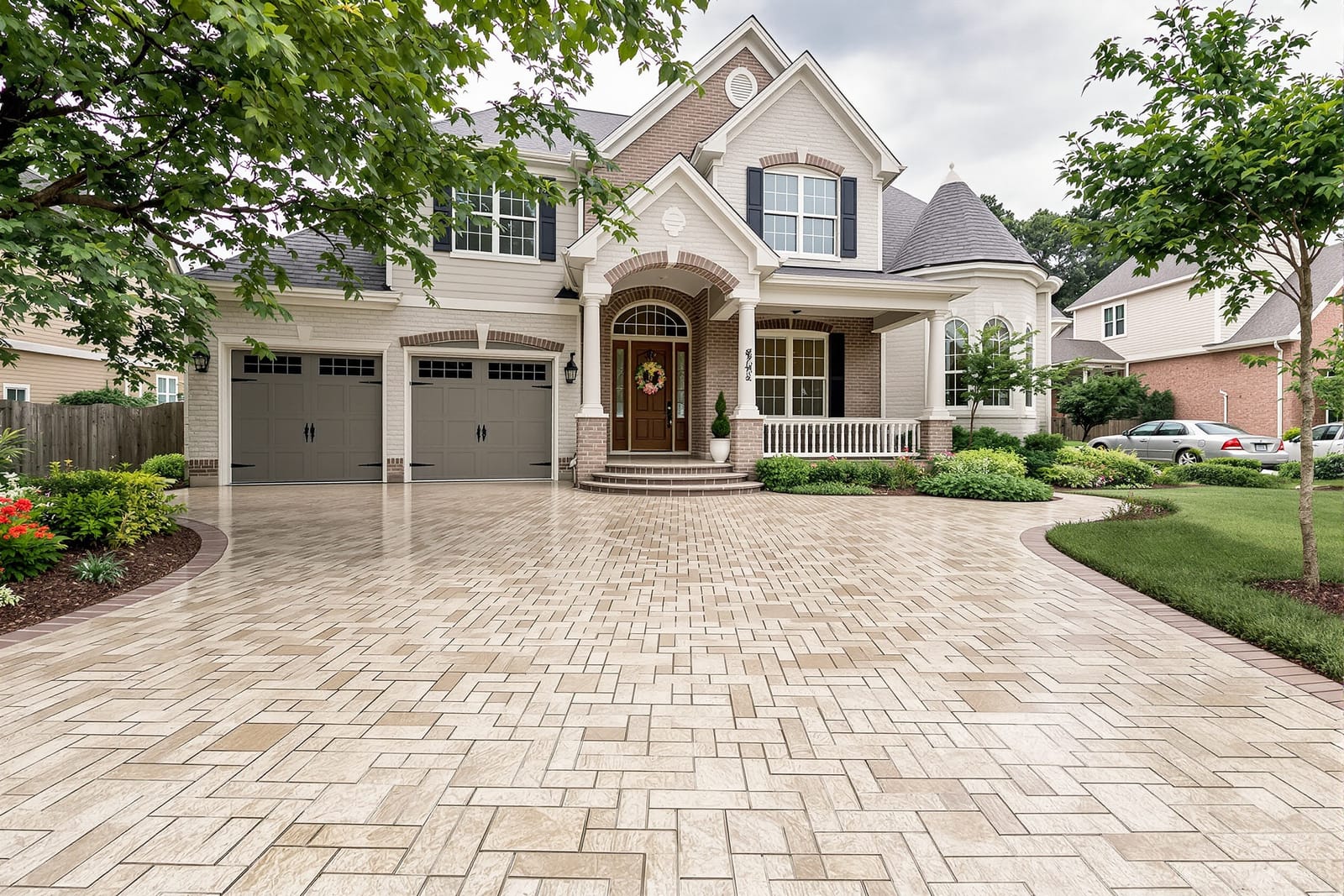
Longview Concrete Pros installs stamped concrete in Longview, TX that delivers the high end look of stone, brick, or pavers without the high maintenance. We offer a wide range of decorative patterns and integral colors for patios, sidewalks, and pool decks. Our crew carefully stamps, colors, and seals each project so your decorative concrete stays vibrant and durable.
Longview Concrete Pros provides professional stamped concrete throughout Longview, TX, Texas and the surrounding area. Our licensed, insured crew delivers safe, clean, on-time work with a free estimate before anything begins. Call
(430) 703-2740 or request your free quote.
Stamped concrete that fits Longview properties
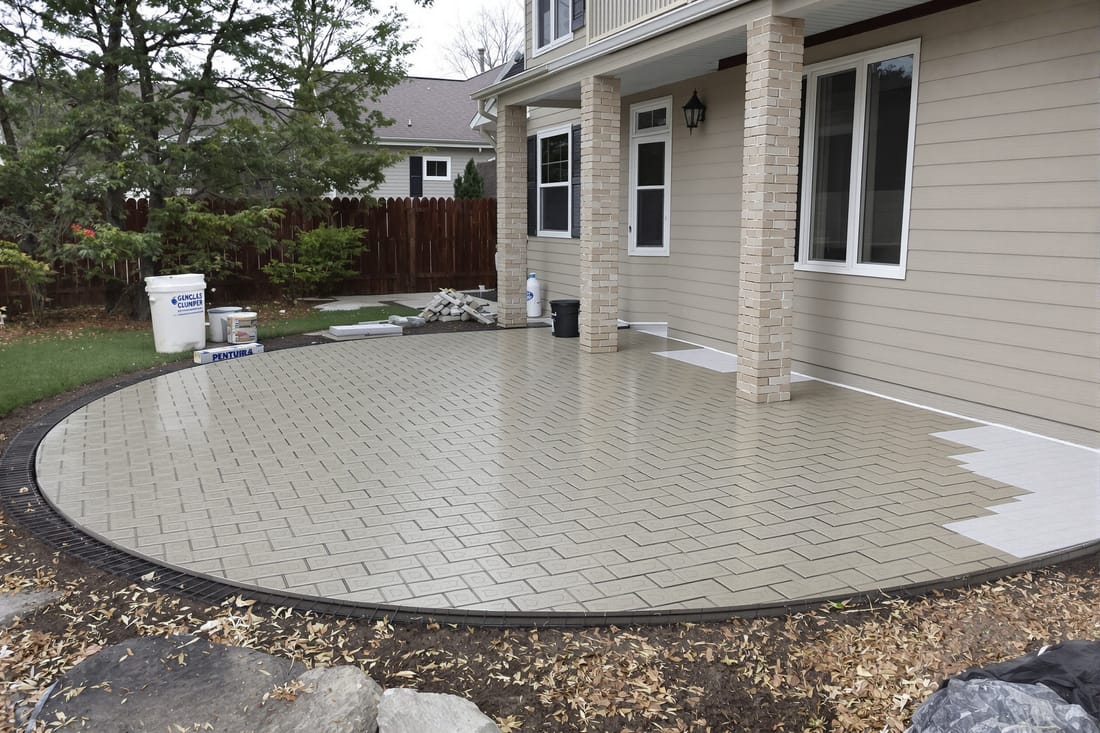
Stamped concrete gives you the look of stone, brick, or pavers with the strength and low maintenance of concrete. At Longview Concrete Pros, we install stamped concrete patios, driveways, walkways, and pool decks across Longview, TX and the surrounding East Texas area.
Local homes here range from 1960s ranch houses in Spring Hill to newer builds around Eastman Road and the Loop. We design stamped concrete to match both older red brick homes and newer stone or siding exteriors so the new surface looks like it has always belonged on your property.
Our focus is simple. Pours that do not crack prematurely, textures that are slip resistant in our wet, humid climate, and color systems that hold up to strong Texas sun. If you want a surface that looks high end without constant sealing and resetting like real pavers, stamped concrete is often the most practical choice for Longview homeowners.
How our stamped concrete process actually works
When Longview Concrete Pros installs stamped concrete, we follow a detailed sequence so the pattern and color come out consistent and the slab lasts.
1. Site visit and layout: We measure your space, check drainage, elevation changes, and access for trucks. In older Longview neighborhoods, yards often have existing drainage problems, so we design slopes that move water away from your house and neighbor fences.
2. Base preparation: We excavate to the proper depth, usually 4 to 6 inches below finished grade for patios and 6 to 8 inches for driveways. We compact the soil, then install and compact a layer of crushed rock or road base. This step is critical in East Texas clay, which swells and shrinks with moisture. A good base limits movement that leads to cracks.
3. Forms and reinforcement: We set forms to the final shape and elevation. For reinforcement we typically use rebar on a grid or structural fiber in the concrete mix, or both, depending on load and soil conditions. Driveways on heavier truck routes, or on soft backyards that have been filled, often need extra rebar.
4. Concrete placement: We order a specific mix from local batch plants suitable for stamping. The timing matters. The concrete must be strong enough to hold an imprint, but still plastic enough to accept the mats. We place, screed, and bull float the surface without overworking it so the cream layer needed for stamping is not lost.
5. Coloring and release: Color is added as an integral color in the truck, as a color hardener broadcast on top, or a combination. We will show you samples of both systems and explain the pros and cons before we pour. We then apply a powdered or liquid release that prevents stamping tools from sticking and adds secondary accent color in the low spots.
6. Stamping: We place flexible polyurethane stamp mats in a pattern and work across the slab in sequence. This has to be done fast and in the right order so the pattern lines up and there are no obvious repeats. Edges and tight spots are hand tooled with smaller skin stamps for a finished look.
7. Cutting joints, cleaning, and sealing: After the concrete sets, we saw control joints to direct any cracking. Then we wash off excess release and apply a sealer once the slab cures enough to accept it. In our climate, we recommend a breathable sealer that will not turn white if moisture vapor comes through the slab.
Stamped concrete pattern and color options that work here
The most popular stamped concrete patterns we install in Longview mirror the materials already common in East Texas, so the surfaces look natural next to existing structures.
For patios, ashlar slate and random stone patterns are common. They work well beside brick homes around Pine Tree and the older areas off Judson Road. For driveways, cobblestone or textured skin with saw cut bands provides grip for tires and avoids the busy look of small brick stamps.
Around pools in neighborhoods like Bar K Estates or new builds south of town, we usually recommend lighter colors that reflect heat, such as light tan, sandstone, or light gray, combined with subtle darker release accents. This keeps the surface cooler under the intense July and August sun and improves slip resistance when paired with an anti slip additive in the sealer.
Color options include:
Integral color: Mixed into the concrete at the plant for a consistent base color all the way through. Good for large driveways and patios where future chips are a concern.
Color hardener: Broadcast onto the surface then troweled in. It provides more intense color and extra surface strength. Ideal when you want richer tones like deep charcoal or brick red.
Antique release: Applied right before stamping, then partially washed off to reveal highs and lows. This gives realistic depth in stone textures.
We will bring actual chip charts and photos of work we have done in Longview so you can see how colors look in real light, not just in a brochure. We also pay attention to HOA guidelines in subdivisions that restrict bright or unusual colors.
What stamped concrete costs in Longview and what affects price
Stamped concrete costs more than plain gray concrete, but usually less than real stone or individual pavers once labor and base prep are included. Longview Concrete Pros prices stamped work based on square footage and site conditions, not flat guesses.
Here are the main factors that affect cost around Longview, TX:
Site access: Backyards with narrow gates off Cotton Street or tight alleys near downtown can require smaller equipment or concrete pumped instead of truck chutes, which increases labor and equipment costs.
Thickness and reinforcement: A basic patio might be 4 inches thick with fiber reinforcement. A driveway that will see heavy trucks or boat trailers may need 5 to 6 inches with a rebar grid. More concrete and steel means higher cost but far less risk of failure.
Pattern complexity: Simple stone or slate patterns cost less than multi pattern borders, inlays, or saw cut designs. If you want a stamped border around an otherwise broom finished driveway, we can price the border separately to keep costs under control.
Color system: Single integral color with a standard release is more affordable. Multi color hardeners, custom stains, and detailed accent coloring add time and materials.
Preparation work: Removing old concrete, tree roots, or failed pavers adds to the project total. In older Longview properties we often find thin existing slabs or patchwork patios that need full removal to get a reliable base.
During our estimate, we will measure, inspect soil, discuss how you plan to use the space, then give a written proposal that spells out the thickness, reinforcement, pattern, color system, and sealer type. That way you know exactly what you are paying for and why one option might cost more than another.
Common stamped concrete issues and how we prevent them
Stamped concrete is only as good as the planning and workmanship behind it. Longview Concrete Pros focuses on avoiding the problems we see when we are called to repair or resurface other contractors work.
Cracking: All concrete will crack somewhere. The goal is to control where. We design joint spacing based on slab thickness, layout, and pattern, and saw joints at the right time after the pour. On complex patios, we sometimes hide joints in grout lines of the stamp pattern so they are less noticeable.
Color inconsistency: Uneven coloring usually comes from sloppy timing, improper mixing of integral color, or inconsistent use of color hardener. We use measured batches, clear crew roles during the pour, and test small sections before committing to the full area.
Sealer problems: In East Texas humidity, sealing concrete too early or with the wrong product can lead to white haze, peeling, or slipperiness. We monitor weather, moisture in the slab, and choose a sealer suited to our climate. For pool decks and sloped entries we add a fine grit to the sealer to improve traction.
Drainage and standing water: Poor slope is a common issue on DIY and cut rate patio jobs. Before pouring, we use levels and string lines to ensure water will not run toward your foundation or sit in birdbaths. If your existing backyard is flat, we may suggest drains or slight regrading so the stamped surface performs over the long term.
Maintenance confusion: Some homeowners are told stamped concrete never needs care, which is not true in our weather. We explain exactly how often to reseal, what de icers to avoid if you travel with vehicles from colder climates, and how to clean without damaging the sealer.
What Longview homeowners should know before hiring for stamped concrete
If you are comparing stamped concrete contractors in Longview, there are specific questions that will help you avoid costly mistakes.
Ask about mix design and thickness: The contractor should be able to tell you the concrete strength (psi), slump, and thickness they plan to use for your project type. Vague answers are a red flag.
Confirm reinforcement and joints: Make sure your quote states rebar size and spacing or fiber reinforcement, plus joint layout. For example, a 4 inch patio with #3 rebar at 18 inches on center and saw cut joints about every 8 to 10 feet.
Review pattern and color on site: Look at real samples and photos of jobs completed in this area, not just catalog pictures. Pay attention to slip resistance, especially for pool decks and slopes.
Discuss sealer schedule: In our climate a typical stamped surface should be resealed every 2 to 4 years depending on sun exposure and traffic. A contractor who never mentions resealing is not planning long term.
Check preparation details: On clay soils common around Longview, proper base depth and compaction are non negotiable. Ask what base material will be used, how thick it will be, and how it will be compacted.
At Longview Concrete Pros, we walk through each of these items during your estimate so you can compare proposals fairly. If you already have a quote from another company, we can explain the differences in materials and methods so you understand what you are really getting before you commit.